

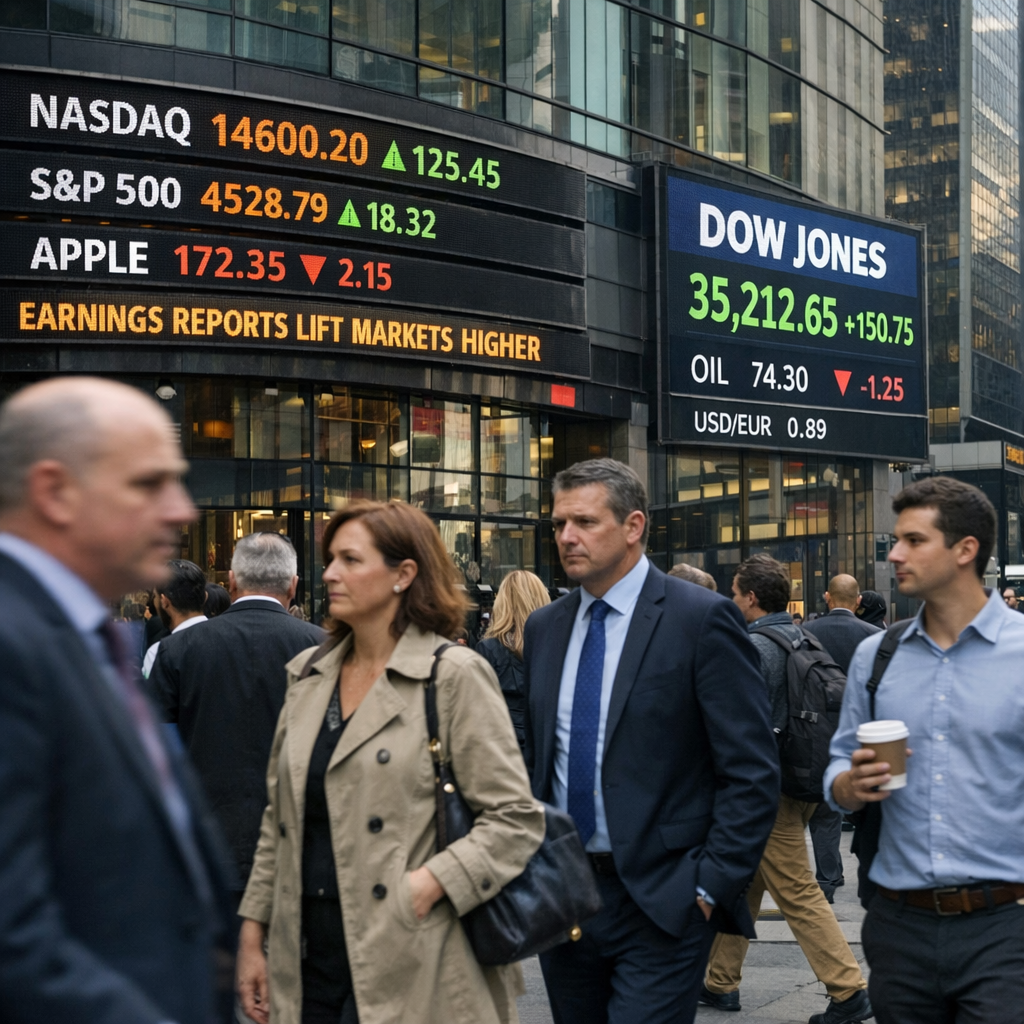
The U.S. economy is a complex and dynamic system influenced by various factors, including consumer behavior, government policies, and global events. Understanding its current state requires examining key economic indicators and recent trends.
Gross Domestic Product (GDP)
Gross Domestic Product (GDP) measures the total value of goods and services produced within a country. In the first quarter of 2026, the U.S. economy grew at an annualized rate of 2%, rebounding from a 0.5% increase in the previous quarter. This growth was driven by recovering conditions post-government shutdown and continued robust investment in artificial intelligence (AI).
Employment and Unemployment
The labor market is a critical component of economic health. As of May 2026, the unemployment rate stood at 4.3%, reflecting a stable job market. Average hourly earnings have also seen a steady increase, reaching $37.53 in May 2026, indicating positive wage growth.
Inflation
Inflation reflects the rate at which the general level of prices for goods and services is rising. In March 2026, inflation surged due to an energy shock stemming from geopolitical events, raising concerns among Federal Reserve officials. Despite these pressures, broader economic indicators have shown resilience.
Consumer Spending
Consumer spending is a significant driver of economic growth. In the fourth quarter of 2025, personal consumption expenditures contributed 1.6 percentage points to overall GDP growth, highlighting the importance of consumer behavior in the economy.
Conclusion
Monitoring these economic indicators provides valuable insights into the health and trajectory of the U.S. economy. While recent data shows positive trends in GDP growth and employment, challenges such as inflationary pressures remain. Staying informed about these factors is essential for understanding the broader economic landscape.